What a campaign looks likeFour example agricultural PR plans
Every business is different, but it helps to see how a plan comes together. These are illustrative examples of how we would approach four common agricultural briefs — the kind of thinking you will see in your free media plan.
Campaign 1: A family farm opening a farm shop and café
The goal: busy weekends from the first month and a reputation that brings people back.
The angle: the family behind it, why they diversified, what makes their produce different, and the opening date.
The placements: the local paper for the market town nearest the farm, the county daily, and a neighbouring-county title covering the drive-time catchment.
The timing: three to four weeks before opening, with a follow-up story ahead of the first Christmas or summer season.
What it achieves: awareness among exactly the families who can visit, links that support local search, and articles the shop can share on social media and display at the counter.
Campaign 2: An agritech startup preparing a funding round
The goal: credible coverage investors find when they search, plus farmer interest for pilots.
The angle: the founder’s farming background, the problem the technology solves, early field data and the next stage of growth.
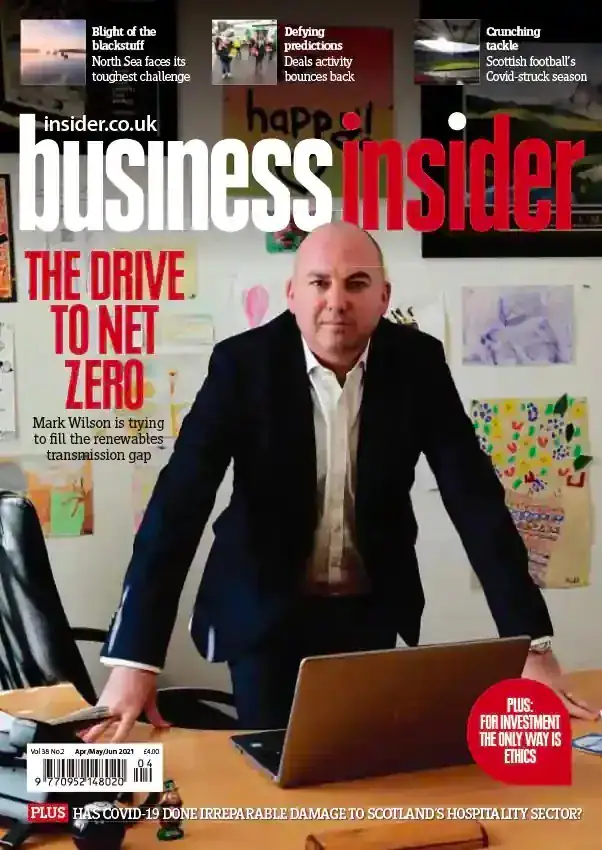
The placements: finance and business titles such as Yahoo Finance syndication, Business Insider and Entrepreneur UK, combined with regional papers in the counties where pilot farms are wanted.
The timing: ahead of investor meetings, so coverage is already live when due diligence starts.
What it achieves: a stronger first impression in search, third-party validation for the pitch deck, and inbound interest from farmers who read about it locally.
Campaign 3: A machinery dealer launching a new franchise
The goal: make sure every farmer in the dealer’s territory knows the new brand is available locally.
The angle: investment in the depot, new jobs, local service and what the new range means for farmers in the area.
The placements: a regional press sweep across the counties the dealer covers, supported by a distributed press release for wider reach.
The timing: in the planning months before the main working season, when buying decisions are made.
What it achieves: territory-wide awareness, content for the sales team to share, and coverage that customers recognise when a rep calls.
Campaign 4: A food producer pitching to retailers
The goal: give buyers confidence that the brand has a story, demand and staying power.
The angle: provenance — the land, the animals or the orchard behind the product — and the people who make it.
The placements: regional coverage where the brand began, plus business and lifestyle titles that show wider appeal.
The timing: before buyer meetings or range reviews, so the coverage can be included in the pitch.
What it achieves: proof points for buyers, consumer awareness and a stronger brand when it hits the shelf.