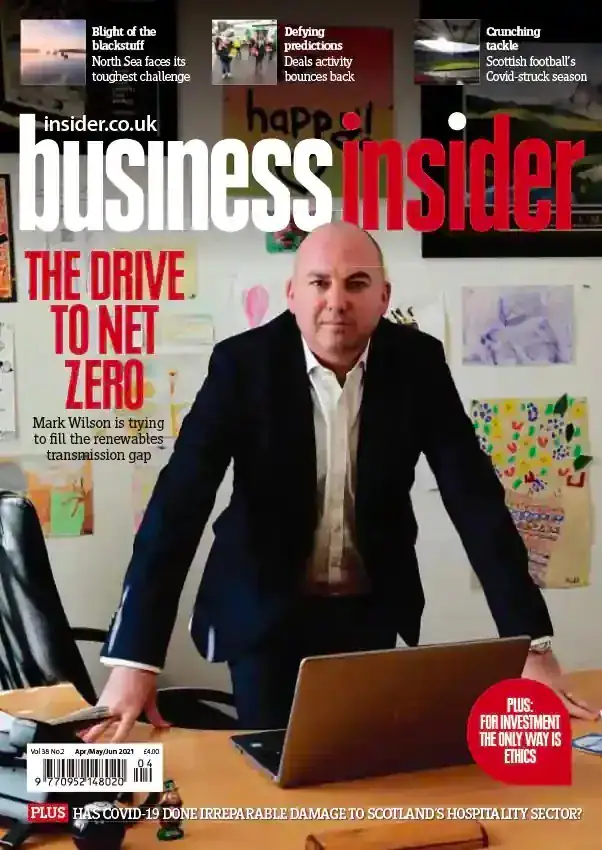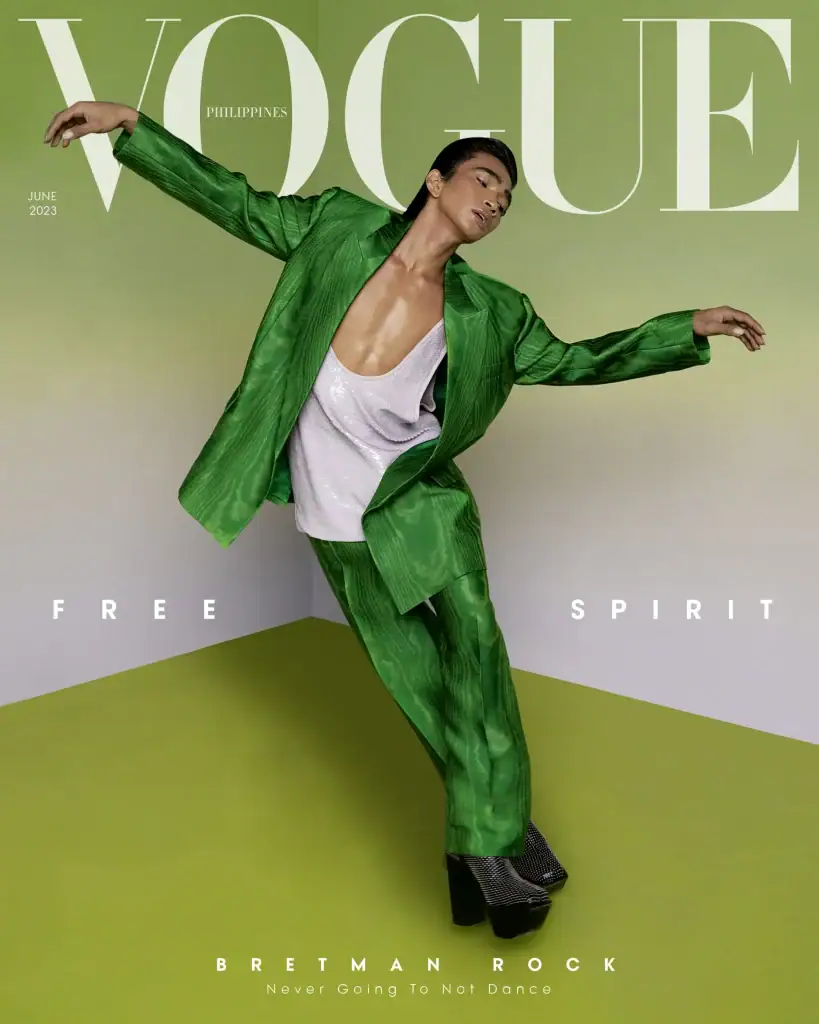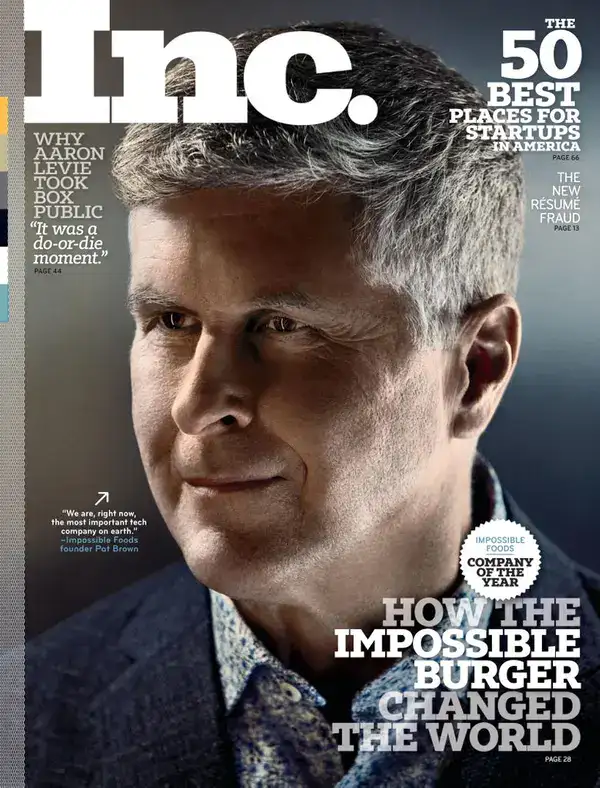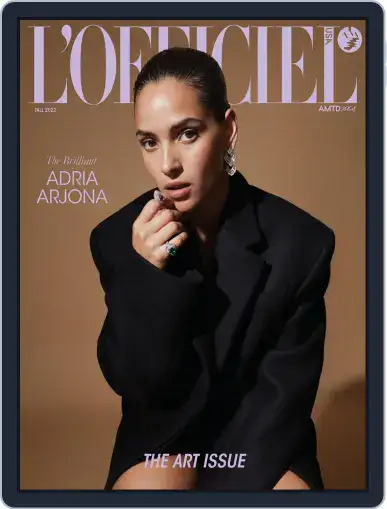

The O-1B is the US visa for people with extraordinary ability in the arts, or extraordinary achievement in film and television. Unless you have a major award, the petition must meet at least three of six criteria, and three of them rely on published material: critical reviews, articles about you and recognition from critics and experts. United Press builds that coverage in respected media. Your immigration lawyer decides what to file.
O-1B visa: how press coverage supports your petition
Talent is not enough on its own. The O-1B asks you to prove recognition, and the strongest proof is what others have published about you.
Musicians, actors, directors, designers, photographers, chefs, writers and creators often have the work but not the paper trail. Well-placed features and reviews close that gap, and they also help with the advisory opinion your petition needs from a peer group or union.
The six O-1B criteria, and where press helps
- Lead or starring rolesIn productions or events with a distinguished reputation, shown by reviews, adverts and publicity. Press helps directly.
- National or international recognitionShown by critical reviews or other published material by or about you in major newspapers, trade journals and magazines. Press is the core evidence.
- Critical roles for distinguished organisationsLead or critical roles for well-known companies, venues or productions. Coverage of those organisations helps.
- Commercial or critical successBox office, ratings, sales, chart positions or critical acclaim. Reporting of the results helps.
- Recognition from expertsSignificant recognition from critics, organisations, government bodies or recognised experts. Interviews and quotes help.
- High paySalary or fees well above others in your field. Contracts carry this one, not press.
How we build O-1B press coverage
- Review your evidence. We read your CV, past coverage and the criteria your lawyer plans to use.
- Find the gaps. We identify which criteria need stronger published material.
- Plan the outlets. Major newspapers, trade journals and magazines that a reviewing officer will recognise.
- Publish real features. Articles and interviews about you and your work, with the label and go-live date agreed in writing.
- Hand over clean exhibits. Live links, dates, publication details and readership facts for your lawyer’s exhibit list.
Press that holds up in an O-1B petition
Officers look at who published the piece, what it says about you and whether it is independent. These are the points that matter.
- About you, by name. Articles must discuss you and your work, not only mention you in passing.
- Respected outlets. Major newspapers, trade journals and magazines with a real readership.
- Author and date. Each exhibit should show the publication, author, date and link.
- Field relevance. Arts and entertainment media carry more weight than unrelated outlets.
- Honest labels. Paid content should be labelled; your lawyer decides how to present it.
- Translations. Coverage in other languages needs certified English translations.
| O-1B | O-1A | |
|---|---|---|
| Who it is for | Arts, film and television | Sciences, business, education and athletics |
| Standard | Distinction (arts) or extraordinary achievement (film and TV) | Extraordinary ability, top of the field |
| Criteria to meet | 3 of 6, or a major award | 3 of 8, or a major award |
| Where press helps | Reviews, published material, expert recognition | Published material about you, judging the work of others and scholarly articles |
We are not a law firm
United Press builds genuine media coverage. We do not give immigration advice, prepare petitions or promise an approval. Your immigration lawyer decides which articles to file and how. Placements are agreed in writing before you pay, with no promise beyond the coverage itself.
What is the O-1B visa?
A US non-immigrant visa for people with extraordinary ability in the arts or extraordinary achievement in motion pictures and television. It is usually granted for up to three years and can be extended.
How many O-1B criteria do I need?
At least three of the six criteria, unless you have been nominated for or won a significant national or international award such as an Oscar, Emmy or Grammy.
Does press coverage help an O-1B petition?
Yes. Critical reviews and published material about you in major newspapers, trade journals and magazines are named in the criteria themselves.
Can paid articles be used?
Labelled paid content can still show your profile, but independent editorial coverage carries more weight. Your lawyer decides how to use each piece.
What is the difference between O-1A and O-1B?
O-1A is for sciences, business, education and athletics; O-1B is for the arts, film and television, with a different standard and criteria.
Can the same coverage be used for an EB-1A later?
Often, yes. Many artists move from O-1B to EB-1A, and strong coverage can support both. See our guide on reusing press coverage.
Tell us your field, your work and your filing plans. We reply within 24 hours with a PR plan. Placements are booked from our partner list, with the label and go-live date agreed in writing before you pay. Prepaid, per placement, 100% guaranteed or 100% refund. Free PR plan within 24 hours. Trusted since 2001.