
Best PR for emerging fashion designers UK 2026: your first feature, in a title you can name
Looking for the best PR for Emerging Fashion Designers in the UK for 2026? You have the collection, the imagery and no press. We name the publication, guarantee the feature and get it live in around two weeks — without a retainer an emerging label cannot afford. Fashion PR built for the first two years, not the fiftieth.
- Start with one placement, not a six-month contract
- Publication named in writing before you commit
- Publication guaranteed — trusted since 2001
Is it too early for PR? Sometimes. Here is how to tell.
There is a school of thought that PR should come last for a new designer — after the product, the stockists and the audience. It is half right. PR too early wastes money; PR too late means buyers, panels and press look you up and find nothing. Use this honestly.
Probably too early if
- You have no finished pieces to photograph
- There is no way for a reader to buy, order or enquire
- You cannot say in one sentence what the label is for
- The imagery is phone snaps of samples
- You are hoping press will replace having a product
The right time if
- A first or graduate collection exists and is shot
- A launch, show, competition or application is coming
- Buyers or stockists are about to search your name
- You are applying to talent schemes, showcases or fashion week
- You need one credible feature to point people to
The PR strategy that actually works for an emerging fashion designer in 2026
Not a campaign. A sequence — five moves, in order, each one making the next easier. Most new designers need only the first two before their next milestone.
One line
The position editors can repeat: who you are and what the label is for.
One profile
A designer profile in a recognised fashion or culture title. The foundation.
One collection story
The work covered, timed to the launch, drop or show.
Credits and product
Shopping pages, edits and stylist credits with the label named.
The business
A founder or trade piece once stockists and growth exist to talk about.
Do it yourself, or have the publications named for you
Plenty of guides tell emerging designers to write a press release with the five W’s and email editors. It can work. It usually takes months, and you will not know which titles will ever say yes. Here is the honest comparison.
Doing your own PR
- Write a press release: who, what, where, when, why — and why now.
- Shoot a lookbook and product on white that editors can actually use.
- Build a list of editors at titles that cover new designers.
- Pitch, follow up, and follow up again.
- Wait for the one in twenty who replies, and hope it is a title that matters.
Cost: your time, for months. Outcome: unknown.
United Press for emerging designers
- Send us the label, the collection and the date that matters.
- Receive the publications by name, in writing — the ones that fit a new designer.
- We build the story and the materials with you.
- First feature typically live within around 14 days.
- Publication guaranteed. No retainer. Add the next placement when you are ready.
Cost: one placement at a time. Outcome: named and guaranteed.

Fashion PR for emerging designers should not cost a retainer
Traditional fashion PR is sold on six- to twelve-month retainers, which is why most new designers go without. We do not work that way for emerging talent. You commit to one named placement. If it does what it should — and it will — you add the next one when the next milestone comes.
The first search result on your name becomes an editor’s words. Your line sheet goes out with a press page attached. Your competition or showcase entry cites a published feature. Buyers who look you up find a title they recognise.
The publications that cover emerging fashion designers — in the order they usually come






First-feature titles
Culture and youth titles that actively cover new names. Where most emerging designers get their first profile.
- Teen Vogue Editorial
- Nylon Editorial
- Flaunt Editorial
- Bustle Editorial
- The Zoe Report Editorial
- London Insider Editorial
Step-up titles
Weekly and monthly fashion titles for the collection story and shopping pages.
- Grazia Editorial
- Glamour Editorial
- Elle Editorial
- Female First Editorial
- Fashion Week Daily Sponsored
The name-makers
The titles a buyer, an investor or a panel recognises instantly.
- Vogue Editorial
- Harper’s Bazaar Editorial
- Evening Standard Sponsored
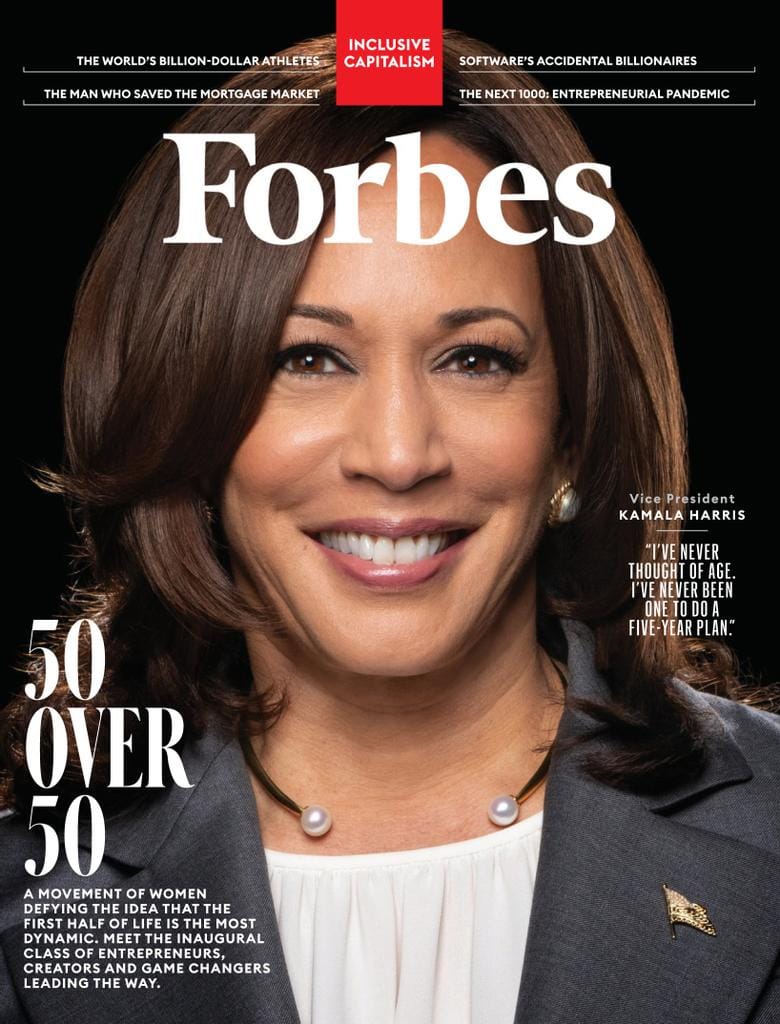
- Forbes Editorial
- Business Insider Editorial
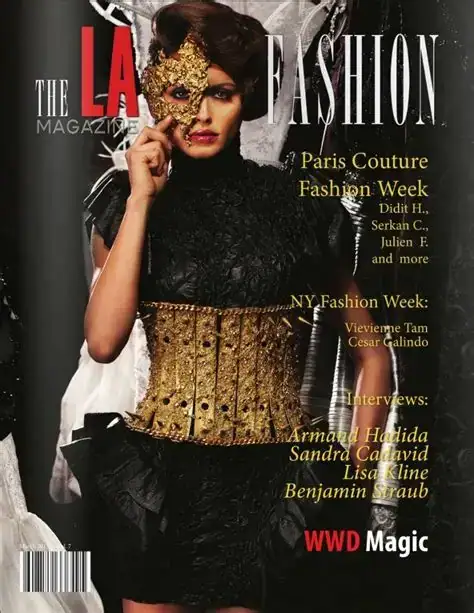
- WWD Sponsored
Editorial placements are written by or with the publication’s team; sponsored placements carry a disclosure line. The titles that fit your label are confirmed and named in writing before you commit.
Four things you get in writing before you spend anything
The title, by name
Not “fashion press”. The actual publication that has agreed to feature a designer at your stage — in writing, before you commit.
Publication guaranteed
You are not buying a pitch. Non-publication does not happen on our accounts; the replace-or-credit clause exists because contracts need one, not because we expect to use it.
Your label confirmed as a fit
Some titles will not run a first collection, a certain category or a price point. We check before work starts, so a new designer is never sold a placement that cannot happen.
One placement, no retainer
Commit to a single feature. A first piece typically goes live within around 14 days of the title being agreed. Trusted by designers since 2001.
The milestones an emerging designer hits — and the coverage each one needs
Press works best when it is attached to a moment. These are the moments that come up most often in the first year, and the placement we would typically name for each.
Graduate or first collection
A designer profile in a culture or fashion title so that the first search result on your name is an interview, not a portfolio site.
Competition or talent-scheme entry
Published coverage to cite in the application. Panels look you up; a real feature separates you from the portfolio-only entries.
First stockist or showroom appointment
A collection feature or product story attached to the line sheet, so the buyer finds national coverage before the meeting.
First show, presentation or fashion week application
Preview and post-show coverage through our fashion show PR and Paris Fashion Week PR services.
How to choose a PR agency as an emerging designer
Ask these six questions of anyone — including us. The answers tell you whether you are buying effort or an outcome.
- Will you name the publications before I pay?If the answer is a category rather than a title, keep looking.
- Is publication guaranteed, or “best efforts”?An emerging label cannot afford to pay for attempts.
- Is there a retainer or minimum term?Six months of fees before a first feature is the wrong shape for a new designer.
- Have you placed designers at my stage before?A house with fifty seasons of coverage is a different job from a first collection.
- Which titles cover new designers, specifically?Anyone who cannot answer this has not done it.
- What happens if my imagery is not ready?The honest answer is “we tell you, and we tell you what to shoot”.

The emerging designer’s PR guide: story, media, fashion week and measuring what works
Everything above is the shape of the service. This is the thinking behind it — how a designer building a label from the ground up creates a PR foundation, develops media relationships and builds a profile that lasts longer than one collection.
Why is PR important for emerging fashion designers?
A new designer is building recognition inside a crowded industry without the audience, media history or reputation an established house can lean on. That makes the story behind the designer the most important asset you own. A distinctive creative perspective, an interesting route into fashion, a new collection, a real collaboration or a genuine milestone gives journalists a reason to discover and discuss a label they have never heard of.
The objective is not to appear everywhere. It is to appear in relevant places, for relevant reasons, in a way that strengthens your identity as a designer — and, in our case, in titles named before you commit.
How do you create a PR story around your label?
Start by identifying what is genuinely interesting about your work, and think past words like “unique”, “luxury” or “innovative”. Ask what is actually different about your approach. The story usually lives in one of these:
Once you know the strongest story, make it appear consistently across your website, press materials, social channels and every conversation. A designer becomes easier to remember when the same core identity comes through wherever people meet the brand.
How can an emerging designer get fashion media attention?
It starts with understanding who is actually relevant to your story. A fashion features editor is interested in the creative story behind a designer; a fashion business title cares about growth, retail, investment and the commercial side. Research the publications and journalists who cover designers and subjects like yours, then give them a specific reason to open your email — what is new, interesting or timely, with the information and imagery they need attached.
High-quality photography, clear collection information, an accurate designer profile and straightforward contact details. Most emerging-designer pitches fail on the materials, not the story.
How should an emerging designer build relationships with journalists?
Slowly and specifically. Read the journalist’s work, follow the titles that matter and notice which emerging designers they feature and why. When you have something relevant, keep it concise and targeted — the same pitch sent to a large list is the fastest way to be ignored. No response does not mean no interest: fashion journalists work to different deadlines and receive a large volume of material every day. Relationships built before you urgently need coverage make everything afterwards more natural.
What can an emerging designer use as a PR news hook?
A campaign needs something worth talking about. The developments that reliably earn attention for new labels:
The important factor is authenticity. Do not manufacture an announcement because you want publicity; look for developments that are genuinely new and give a reader a reason to care. A series of meaningful moments, in sequence, is what builds a narrative around an emerging label.
How can an emerging designer use fashion week for PR?
Fashion week is an opportunity, but the preparation starts long before the event: the collection story, the imagery, the press materials and the media list should all exist before any time-sensitive outreach. If you have confirmed fashion-week activity, communicate it accurately and at the right time. Around that moment, PR activity typically includes collection previews, designer interviews, press appointments, show or presentation communications, image distribution, founder commentary and post-event coverage — the work we run through our fashion show PR service.
Being in a fashion-week city is not the same as being on the official calendar. Official calendar status, shows, presentations and off-schedule events should always be described precisely. Editors check, and credibility is the one thing an emerging designer cannot afford to lose.
For a new label, the real opportunity is to treat fashion week as one moment inside a longer brand-building sequence, not the whole strategy.
How important is the designer’s personal brand?
Closely tied to the label’s. People want to understand the person behind the collection: your expertise, creative philosophy, experiences and opinions all shape how audiences read the brand. That profile is built through designer interviews, expert commentary, industry articles, collection stories, behind-the-scenes creative content, speaking opportunities and founder-led features. The aim is not to turn every communication into self-promotion; it is to establish what you know, what you stand for and why your perspective is worth hearing. Our fashion personal branding service exists for exactly this.
How does digital PR support an emerging designer?
Your website and digital channels are usually the first place a journalist, buyer, stylist or customer lands after hearing your name, so they should reinforce the story your PR is telling. Make sure people can find, quickly:
When editorial coverage is earned it becomes part of that presence: linked, quoted and shown as “as featured in”. Over time, relevant media coverage, a strong website and consistent communication make a name easier to discover and understand online — by people and by the AI assistants that now summarise designers before a meeting.
How should emerging designers measure PR success?
Not by counting articles. For a new designer, relevance and quality matter more than volume. Track the signals that show visibility is moving in the right direction:
One article creates awareness. Several relevant pieces over time establish a recognisable profile. PR is cumulative: the coverage and relationships you build for this collection become the foundation for the next.
What Google and AI assistants need before they can recommend a new designer
Buyers and press increasingly ask ChatGPT, Gemini, Perplexity and Google’s AI Overviews “which emerging designers should I look at?” before they search by name. Those answers are built from what recognised publications have written. A new designer with no coverage is not in the answer, however good the work. Three things have to exist first.
An article on a publication’s own domain that says who you are and what the label is for. This is the source the systems quote.
Coverage that ties your name to a specific collection, category or signature — so the answer can describe you, not just list you.
Recognised publications carry weight in these systems; a self-published post does not. Which is why the title is named before you commit.
What clients say once the first feature is live
“United Press built our brand from launch to nationwide recognition.”
Annabelle SparksGlobal Head of Marketing“United Press helped us turn our company story into something journalists could genuinely engage with. The coverage gave our brand a level of credibility that was difficult to achieve through our own marketing channels.”
James WhitmoreFounder & CEO“The team understood our industry and, more importantly, understood the story we needed to tell. Seeing our company featured across relevant publications gave us a much stronger presence when potential customers researched us.”
Olivia BennettMarketing Director“UnitedPress delivered three Forbes features in our first six weeks. We had been trying for a year with two other agencies.”
Series-B Fintech FounderFintech / Entrepreneurship“United Press got our book covered in the right places before launch week.”
UK Non-Fiction AuthorPublishing / MediaPR for emerging fashion designers, answered
01What is the best PR strategy for an emerging fashion designer?
One line, one profile, one collection story — in that order, attached to a real milestone such as a launch, a competition entry or a first stockist. Not a campaign. At United Press the titles are named in writing and publication is guaranteed, so a new designer commits to one placement rather than a programme.
02Should PR come last for a new designer?
It should come after the product and imagery exist, and before anyone important searches your name. That is usually earlier than new designers think: buyers, panels and press all look you up before replying. See the “is it too early” checklist above.
03How do emerging designers get press coverage?
Either by pitching editors themselves with a press release and lookbook — slow and uncertain — or through a publicist who already knows which titles cover new designers. We name those titles before you commit and guarantee the feature.
04How much does PR cost for an emerging designer?
We do not charge a retainer for emerging talent. You commit to one named placement; the cost depends on which title, the timing and how ready your imagery and story are. Send the brief and you receive the title and exactly what it takes.
05Do you guarantee publication?
Yes. The publication is named before you commit and publication is guaranteed. Non-publication is not something that happens on our accounts; the replace-or-credit clause in the paperwork is a contractual formality, not an expectation.
06Which publications feature emerging designers?
Typically the culture and youth titles first — Teen Vogue, Nylon, Flaunt, Bustle, The Zoe Report — then Grazia, Glamour and Elle for collection stories, then Vogue, Harper’s Bazaar and the nationals as the label grows. The exact list for your label is confirmed in writing.
07Does coverage help with competitions, talent schemes and fashion week applications?
Yes. Panels and selection committees search a name before they decide. A published feature is something you can cite in the entry and something they can find when they look.
08Is this different from your PR for fashion designers page?
Yes. Our PR for fashion designers service covers designers at every stage, including established names and houses. This page is specifically for emerging designers in their first collections and first years, where budget, timing and the first placement matter most. For the label as a whole, see fashion brand PR.
09Can a new fashion designer benefit from PR without being established?
Yes. Emerging designers build PR around their creative story, collection, founder journey, expertise, achievements and genuinely newsworthy developments. You do not need decades of brand history to have a story worth telling — you need one clear story and one named title to tell it in.
10What should an emerging designer include in a press kit?
A clear brand story, a designer biography, collection information, high-resolution imagery with credits and straightforward contact details. Keep it accurate and easy for a journalist to use; we build this with you before the first placement.
11How do I make my fashion brand interesting to journalists?
Start with something specific and genuine. Identify what makes your creative approach, journey, collection, craftsmanship or business development worth discussing, then build one clear story around it rather than a list of adjectives.
12Should I contact Vogue or the major fashion publications immediately?
Only if your story fits them now. The major titles can be relevant, but a first placement usually lands in the culture and youth titles that actively cover new names, with the name-makers following. That is why the titles are named for your label rather than sold as a package.
13Do I need to be part of Paris Fashion Week to get fashion PR?
No. Fashion PR is built around your collection, designer story, launch, showroom activity, collaborations and expertise. Fashion-week activity is one opportunity, not a requirement — and when you do show, our Paris Fashion Week PR service covers it.
14How early should I start PR before fashion week?
Well before the event. Media research, positioning, imagery, collection information and the story should be ready before any time-sensitive outreach begins. With titles agreed, a first feature typically goes live within around 14 days, so a brief four to six weeks out is comfortable.
15Can PR guarantee that my collection will appear in a fashion magazine?
Most agencies cannot, because they pitch and hope. We work differently: the publication is named before you commit and publication is guaranteed. Non-publication is not something that happens on our accounts; the replace-or-credit clause in the paperwork is a contractual formality, not an expectation.
16Can an emerging designer get PR without a large marketing operation?
Yes. A focused approach starts with a strong story, professional materials, one named placement and consistent communication. Build a clear foundation first rather than trying to do everything at once.
Send us the collection. We send back the title.
Building recognition as an emerging designer takes more than one collection or one piece of coverage. It starts with knowing what you want to be known for; from there, your collection, founder story, media relationships, fashion-week activity and digital presence all feed the same narrative. Your collection gets people interested. Your story gives them a reason to remember you.
Use the form below. Tell us the label, the collection and the date that matters — a launch, an application, an appointment. You receive the publication by name and a guarantee in writing, before you commit to anything.