

Best EB-1B Visa Press Coverage for 2026
Looking for the best EB-1B visa press coverage in 2026? The EB-1B green card category is reserved for outstanding professors and researchers with international recognition in their academic field. Unlike the self-petitioned EB-1A, EB-1B requires a permanent job offer from a US employer — but the underlying evidentiary burden is similar: you must document sustained international recognition against strict USCIS criteria. Independent media coverage of your research, awards and academic impact is one of the fastest ways to build that record. United Press secures the editorial placements that support your EB-1B petition.
What Is the EB-1B Visa?
EB-1B is an employment-based, first-preference green card category for outstanding professors and researchers. To qualify, you need international recognition for outstanding achievement in a specific academic field and at least three years of teaching or research experience in that field, along with a qualifying, employer-sponsored position in the United States.
The Six EB-1B Criteria (You Need at Least 2)
- Major prizes or awards for outstanding achievement in the academic field
- Membership in associations that require outstanding achievement of their members
- Published material in professional publications, written by others, about your work
- Participation as a judge of the work of others in the same or an allied academic field
- Original scientific or scholarly research contributions to the field
- Authorship of scholarly books or articles in scholarly journals with international circulation
The Job Offer Requirement
Unlike EB-1A, EB-1B cannot be self-petitioned. Your employer — typically a university or research institution — must offer either a tenured or tenure-track teaching position, or a permanent research position of indefinite or unlimited duration. Your employer files Form I-140 on your behalf and must demonstrate a continuing ability to pay the offered wage as of the priority date.
EB-1B vs. EB-1A vs. O-1: Which Category Fits?
| Category | Status | Sponsorship | Standard of Proof |
|---|---|---|---|
| EB-1A | Immigrant (green card) | Self-petition, no employer needed | 3 of 10 criteria, broader fields |
| EB-1B | Immigrant (green card) | Employer-sponsored, permanent position required | 2 of 6 criteria, academic field only |
| O-1 | Nonimmigrant (temporary) | Employer or agent sponsor required | 3 of 10 criteria (O-1A) or comparable (O-1B) |
Many researchers use O-1 as a faster, temporary route while building toward EB-1A or EB-1B, since O-1 has no annual cap or backlog. If you already have a tenure-track offer lined up, EB-1B is typically the more direct path; if you want to self-petition without waiting on an employer, EB-1A may be the better fit.
Why Press Coverage Matters for EB-1B in 2026
USCIS requires evidence meeting at least two of the six regulatory criteria, and independent media coverage can help satisfy several at once: published material about your work in professional or major trade publications, evidence of your original scientific or scholarly contributions, and evidence you’ve judged the work of others in your field. A well-placed feature in a recognized outlet becomes durable, citable documentation an adjudicator can independently verify — something self-authored CVs and reference letters cannot replicate on their own.
What Counts as Credible Evidence
Independent editorial coverage — where a journalist researches and writes about your work on their own initiative — carries far more evidentiary weight than sponsored content, advertorials or self-published press releases. United Press focuses exclusively on securing genuine editorial placements in outlets relevant to your academic field, not paid advertorial slots, because that distinction is exactly what strengthens a petition rather than inviting scrutiny.
How It Works
Why Choose United Press
We work exclusively with immigration attorneys and petitioners on extraordinary-ability and outstanding-researcher categories, so every placement is written with USCIS evidentiary standards in mind — not just publicity for its own sake. Our average placement carries a Domain Authority of 92, secured through genuine editorial relationships rather than paid placements.
Placements Across the Outlets Researchers Cite Most
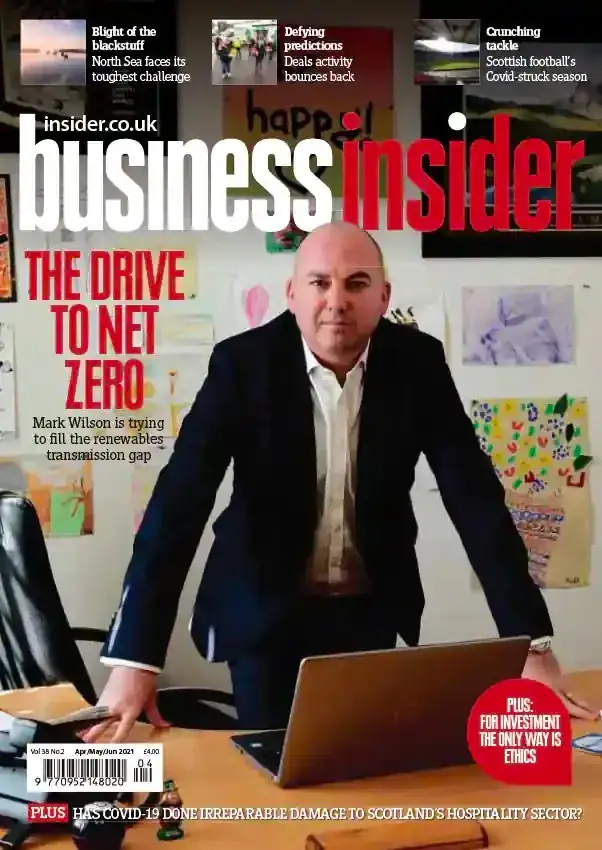
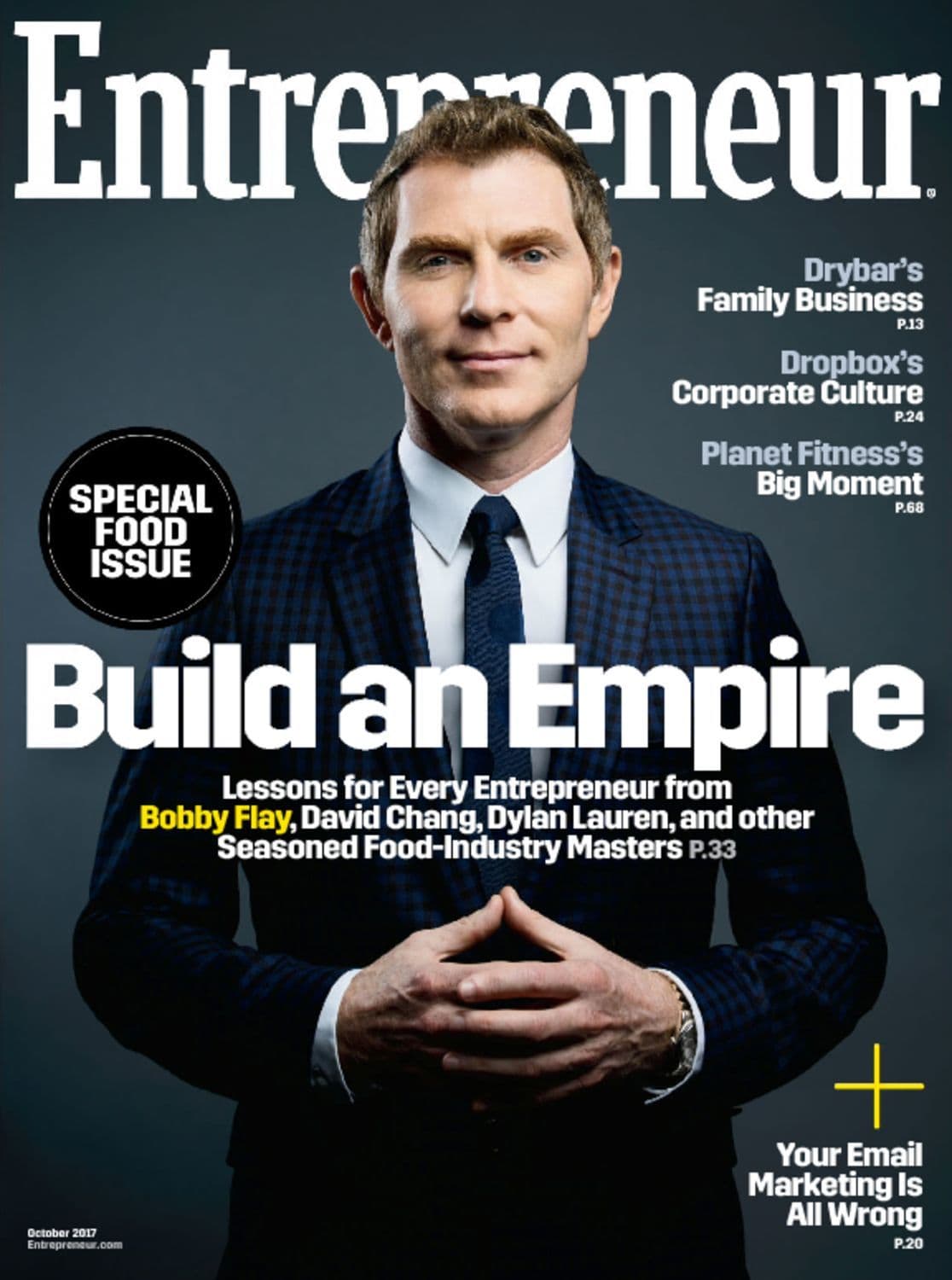
We secure genuine editorial coverage across major national and international outlets — the kind of independent, verifiable placements that strengthen an EB-1B petition.

How We Match Researchers to the Right Outlet
Not every placement belongs in the same outlet. A materials scientist’s breakthrough is a stronger fit for a trade or business-innovation angle, while a public-health researcher’s work may land better through a national news or policy desk. We map your specific research area against outlets with genuine editorial interest in that field, rather than pushing every client toward the same handful of publications — which is exactly the pattern USCIS adjudicators have grown skeptical of.
EB-1B Evidence: Your Options Compared
How a self-directed approach compares to a generic PR agency versus a firm built for immigration evidence.
| Criteria | DIY Approach | Generic PR Agency | United Press |
|---|---|---|---|
| Published Material About You | Rare without media contacts | Inconsistent, not evidence-focused | Core deliverable, every campaign |
| Judging Others’ Work Evidence | Self-documented only | Not typically addressed | Structured into your narrative |
| Original Contribution Evidence | Academic papers only | General business angle | Framed for USCIS relevance |
| Timeline | Unpredictable, 12–24 months | 4–6 months, generic outlets | 8–12 months, targeted outlets |
| Attorney Coordination | None | Rare | Direct, ongoing coordination |
| Field-Specific Placement | Not addressed | Not addressed | Matched to your research area |
Get Featured for EB-1B — FAQ
What is the EB-1B visa and who qualifies?
EB-1B is an employment-based green card category for outstanding professors and researchers with at least three years’ experience and international recognition in their academic field, sponsored by a US employer offering a permanent research or tenure-track position.
What are the six EB-1B criteria?
Major prizes or awards, association membership requiring outstanding achievement, published material about your work, judging others’ work, original scientific or scholarly contributions, and authorship of scholarly books or articles. You need to meet at least two.
How does press coverage help satisfy EB-1B criteria?
Independent media coverage can support the “published material about you” criterion directly, and can reinforce evidence of original contributions and peer recognition — two of the six regulatory criteria USCIS evaluates.
Do I need a job offer for EB-1B?
Yes. Unlike EB-1A, EB-1B requires a permanent job offer from a US employer, typically a university or research institution, who must file Form I-140 and demonstrate the ability to pay the offered wage.
What’s the difference between EB-1A and EB-1B?
EB-1A is self-petitioned and open to extraordinary-ability individuals across any field with no job offer required, evaluated against 10 possible criteria. EB-1B is employer-sponsored, specific to outstanding professors and researchers, and evaluated against 6 criteria.
Should I apply for O-1 or EB-1B first?
Many researchers use the O-1 nonimmigrant visa as a faster interim step, since it has no annual cap or backlog, then pursue EB-1B or EB-1A once they have a qualifying permanent position or stronger evidentiary record.
How long does the process take?
Most clients complete their press campaign in 8–12 months, timed to align with your employer’s I-140 filing schedule.
Can United Press help if I haven’t started my US position yet?
Yes — we regularly work with researchers still abroad or mid-recruitment, building your media record in parallel with your employer’s sponsorship process.
Ready to Strengthen Your EB-1B Petition?
Tell us about your research background and we’ll map out which criteria press coverage can help you meet, and realistic outlets for your field — no obligation.
Book Your Free ConsultationWhich Publications Strengthen an EB-1B Petition
The EB-1B (Outstanding Professor or Researcher) category asks for evidence of international recognition in your academic field. One of USCIS’s recognised evidentiary criteria is published material in professional publications or major media written by others about your work. We build genuine, independent coverage that speaks to that standard. We are not attorneys and cannot guarantee a petition outcome — that is decided by USCIS.
Major media
Forbes, Bloomberg and recognised national outlets — the kind of major media USCIS accepts as published material about you.
Professional & trade titles
The respected journals and trade publications in your discipline that demonstrate standing in your field.
Mapped to the criteria
Published material written by others about your work is one of the six EB-1B evidentiary categories; you need at least two.
Independent recognition
Coverage that others write about you — third-party validation is exactly what an adjudicator looks for.
Getting Cited in AI Search: ChatGPT, Gemini & Perplexity
Reviewers, collaborators and journalists increasingly research researchers and academics through ChatGPT, Google’s AI Overviews, Gemini and Perplexity — systems that answer by drawing on credible, widely-cited sources. Genuine press coverage is exactly the material they quote from.
As independent features about your work accumulate in respected publications, you become part of how AI engines describe your standing in your field — reinforcing the same recognition an EB-1B petition needs to show. We build coverage that both traditional search and AI search reward.
Questions About EB-1B Press Coverage
Does media coverage count as evidence for an EB-1B petition?
It can. ‘Published material in professional publications or major media written by others about your work’ is one of the six EB-1B evidentiary criteria, and you must satisfy at least two. Genuine, independent coverage about your research can help meet that particular criterion.
What kind of coverage is most useful for EB-1B?
Independent articles written about you and your work by credible journalists or editors, in major media or respected professional and trade publications. The coverage should focus on your contributions and recognition, not be authored or paid for by you.
Can press coverage alone secure an EB-1B?
No. EB-1B requires meeting at least two evidentiary criteria and generally a permanent research or tenure-track offer from a US employer. Press coverage strengthens one criterion; it does not replace the others or the legal petition itself, which should be prepared with an immigration attorney.
Do you work alongside immigration attorneys?
Yes. We regularly coordinate with immigration counsel so the media evidence aligns with how the petition is being argued and presented.
What EB-1B Visa Press Coverage Needs to Show
United Press has placed editorial coverage since 2001. EB-1B visa press coverage is read by an adjudicator as evidence of international recognition in your field, not as promotion, and it is weighed against a published standard rather than a marketing one.
So the publication is named before work begins. You are told the exact title, we confirm your record is a fit for it, and only then do we start. EB-1B visa press coverage commissioned without knowing the outlet is evidence your attorney cannot plan around.
The requirements are public: USCIS sets out the EB-1 first preference categories, and the Policy Manual chapter on outstanding professors and researchers explains how published material about your work is assessed — which is why the title, the author and the byline matter more than the number of articles.
If you are comparing routes, our pages on EB-1A press coverage and EB-2 NIW press coverage cover adjacent criteria.
Non-publication does not happen. The replace-or-credit line in our terms is a formality, not a caveat. Tell us your research field and where the petition stands, and we will tell you which titles are realistic for EB-1B visa press coverage in your case.
Let Us Help
Share a few details about your case and a member of our team will get back to you with next steps.