Best PR Agency UK 2026
United Press turns contract wins, topping-out days, product launches and technical expertise into published coverage in national, business, property and regional media — with the publication guaranteed before you commit. Twenty-five years of doing this for the people who actually build Britain.
Get Your Guaranteed Publication → See the publication listReal mastheads, real live URLs. The same media network is available to construction firms, housebuilders, contractors and building product manufacturers.


Construction is the least visible high-value industry in Britain. A contractor can deliver a £40m scheme on time, a manufacturer can solve a genuine specification headache, a civil engineering firm can keep a city moving — and almost nobody outside the immediate supply chain ever reads a word about it.
United Press exists to close that gap. We are a UK construction PR agency built around one promise that most PR firms will not make: your story gets published. Not "pitched". Not "targeted". Published — on a named outlet, at a live and permanent URL, agreed with you before any work begins.
That matters more in construction than almost anywhere else, because your buyers are cautious by profession. Clients, main contractors, specifiers, planning committees, lenders and framework panels all check you before they commit. What they find decides whether you make the shortlist.
None of them are about the quality of your work. All of them are fixable.
Marketing sits under a commercial director, PR sits nowhere, and the site team is busy building. Newsworthy moments — a framework appointment, a first-of-its-kind method — pass without a single release.
"Successful completion of the RC frame package" is a fact, not a story. Journalists need a human angle, a number, or a change in the market. Most construction press releases supply none of the three.
By the time the client, the JV partner and legal have signed off, the moment is three weeks old and the trade desk has moved on. Construction news has a shorter shelf life than most people in the industry assume.
Twelve months of "media relations activity", a monthly report full of impressions, and two pieces of coverage — both in a title your clients do not read. It is the single most common story we hear from new construction clients.
When a client searches your name, or asks an AI assistant who the best contractor in your region is, the answer is assembled from published sources. If nothing has been published, something else fills the gap.
An incident, a delay, an administration rumour in the supply chain. With no body of positive published coverage, one negative result can dominate your first page for years.
Construction runs on certainty — programmes, fixed prices, completion dates. Your communications should work the same way. Since 2001 we have operated on a simple model: you see the outlet, you approve the angle, and the piece is published at a permanent URL. No monthly guesswork, no "the journalist didn't bite this month".
You know exactly which publication your story is going into — national, business, property or regional — before anything is signed off.
Your story is written up properly, in the outlet's own register, by writers who have covered business and the built environment for years.
A page that stays up, gets indexed, gets found in search and gets cited by AI assistants — and that your bid team can point to for years.
From a twelve-person groundworks contractor bidding for its first framework place to a national manufacturer launching a product into a crowded specification market.
Contract wins, framework appointments, social value results, safety milestones and regional growth stories that reach clients and future employees at the same time.
Site launches, planning consents, sales milestones, affordable and build-to-rent delivery, and the local coverage that makes a scheme welcome rather than resisted.
Highways, rail, water, energy connections and marine works — technical achievement translated into language a client, a councillor and a journalist all understand.
Product launches, test and certification results, sustainability data and specification-led thought leadership aimed squarely at architects and technical buyers.
Heat pumps, electrical infrastructure, fire safety, façades, cladding remediation, steel and groundworks — the specialists most trade coverage overlooks.
Scheme reveals, competition wins, studio milestones and design commentary placed where clients and developers are actually reading.
Cost, project management, QS, planning and building safety consultancies using published commentary to prove expertise ahead of the pitch.
The newest part of the industry, where the market still needs educating — and where published, credible explanation converts sceptics into clients.
Every element below ends in the same place: published material with your name on it, at a URL that lasts.
National, business, property and regional placement, handled end to end — angle, write-up, approval and publication, with the outlet confirmed up front.
Contract wins, framework places, groundbreakings, topping out and handovers turned into news the market notices rather than a LinkedIn post that sinks in an hour.
For manufacturers: launches, certifications, test results and system approvals presented so specifiers understand the benefit in the first paragraph.
Bylined comment from your directors on skills, safety, cost inflation, planning reform, retrofit and net zero — positioning your senior team as the people worth quoting.
Rapid response to what the industry is already talking about, so your name appears in stories the whole sector reads that week.
A body of positive published coverage before you need it, and clear, calm handling of the story if something goes wrong on site or in the supply chain.
Local and regional placement that gives a scheme a fair hearing with residents, councillors and committees before objections harden.
Coverage on authoritative domains that strengthens how your brand appears in Google — supporting the pages you want found for your service and location terms.
Published, quotable material that AI assistants can find, summarise and cite when someone asks them to recommend a contractor, manufacturer or consultancy.
In an industry short of people, published coverage of apprenticeships, training and culture is one of the cheapest recruitment tools you have.
Turning the numbers you already report — carbon, local spend, apprenticeships, waste diversion — into coverage that helps at bid stage.
Entry-worthy narratives, founder and director profiles, and the published evidence that award judges and framework panels look for.
Our construction PR specialists build the approach around your objectives, sector, audiences and news opportunities. Alongside ongoing media relations, these are the campaign types that do the heavy lifting for construction and built environment businesses.
Every construction business has different goals. We start with your company, projects, expertise and audiences, identify the strongest stories, then build a structured approach designed for consistent visibility across relevant media and digital channels.
Construction leaders hold real knowledge about the challenges facing the built environment. We turn it into published material that positions your people as credible voices in their field.
Not every construction story fits a traditional press release. Creative campaigns bring a project, product or industry issue to life through original ideas built around your objectives, combining PR, content and digital communications to earn wider engagement.
Exhibitions, conferences, trade events and launches are real publicity opportunities. We treat an event as a full communications window rather than a standalone activity.
Construction content creators and industry-focused digital personalities reach highly relevant audiences. Where it fits, we identify suitable creators and build collaborations around your brand, product or campaign — with any commercial or sponsored activity disclosed transparently and in line with applicable advertising rules.
Research and data make powerful foundations for construction PR. We build campaigns around genuine research, statistics, surveys and industry trends — workforce, technology, property, development, changing customer expectations — to create evidence-based angles that travel well beyond your own company.
Most construction firms announce once, at completion, when the story is coldest. A live project generates publishable news from bid to handover — and each piece compounds the last.
| Project stage | The story | Who it reaches |
|---|---|---|
| Framework or contract win | Value, client, scope, what it says about your growth | Clients, competitors, future employees, business press |
| Planning consent | What is being built, for whom, what it means locally | Local community, councillors, buyers, regional press |
| Groundbreaking / site start | Programme, jobs created, local supply chain commitment | Regional press, supply chain, social value stakeholders |
| Technical milestone | A method, a material, a first — explained plainly | Specifiers, engineers, technical and trade audiences |
| Topping out | The visual moment: photography, client quotes, progress | Everyone — the most under-used moment in construction |
| Handover & performance | Delivered on time, in budget, with measurable outcomes | Future clients, framework panels, bid evaluators |
Six announcements from one project. Run three projects a year and you have a permanent, searchable record of delivery that no competitor's brochure can match.
No discovery phase that runs for a quarter. No monthly retainer before anything appears. We work the way construction works: scope agreed, price fixed, programme delivered.
As a specialist construction PR agency in the UK, United Press helps businesses across the construction, property and built environment sectors turn technical expertise, projects and industry developments into clear, compelling stories that attract attention and build credibility.
Construction businesses operate in highly specialised markets. From contractors and property developers to architects, engineers, building product manufacturers and construction technology companies, every business has a different audience, a different proposition and a different story to tell — and the communications that work for one rarely work unchanged for another.
Our construction PR strategies combine media relations, thought leadership, content, digital PR and strategic communications to help businesses strengthen their reputation, increase visibility and become recognised voices within their industries.
Construction and the built environment involve complex subjects, technical products and constantly changing industry conversations. Effective PR has to communicate that expertise without losing the story behind it.
We work with businesses to identify the news, the knowledge and the expertise that can genuinely interest journalists and their audiences — whether that is a major development, a project milestone, a new product, a business expansion, an industry insight or an expert opinion on something the sector is already arguing about.

Generalist agencies can write a press release. Very few can read a programme, understand why a framework place matters, or tell the difference between a product launch and a specification change.
Working knowledge across construction, property, architecture, engineering and the wider built environment — so you are not explaining your own sector before the work starts.
Built around your business, your projects, your expertise and your objectives, rather than a template applied to whoever signs next.

Connecting the right story to the right desk across trade, property, business and regional media — the outlets your clients and specifiers actually read.
Establishing your directors and senior people as credible industry voices, so they are the ones journalists come back to.
Turning genuine business developments — wins, milestones, launches, expansion — into stories a newsroom will actually run.
Visibility that keeps working between announcements, so your search results and industry profile hold up when nothing is being launched.
Effective construction PR starts with understanding the story behind the business — then deciding, deliberately, who needs to hear it and in what form.
Brand awareness, industry credibility, executive positioning or support for a major announcement — the campaign is shaped by what you are actually trying to achieve, not by what is easiest to pitch.
A development or infrastructure project, a new building product, a technology launch, a company milestone, an industry opinion. We identify the elements inside them that can create genuine media interest.
We take complex construction information and develop clear, engaging communications pitched at the audience they are meant for — technical enough to be credible, plain enough to be published.
Our campaigns are designed to reach the trade, property, architecture, engineering, business and regional media that your buyers and peers actually read.
Rather than relying on generic messaging, we focus on finding the right story for the right audience.
Construction businesses often have valuable stories hidden inside technical information. Our job is to translate that knowledge into something journalists, customers, decision-makers and industry audiences can understand.
It becomes a story about regeneration, design, investment, innovation or community impact — the reasons a newsroom cares about a building going up.
It becomes a story about changing industry requirements or construction efficiency — the problem it solves, told before the specification is written.
They become the expert commentator on an issue affecting the wider sector — quoted in the stories everyone in the industry is already reading.
Your expertise is the starting point. The PR strategy is what turns it into a story.
Effective construction PR is not only about generating attention for one announcement. A consistent strategy builds a public profile across everything your business does.
Over time this creates a far more complete picture of your organisation, and establishes your business as a credible participant in the wider construction and built environment conversation — not just a name on a hoarding.
Whether you are launching a development, announcing a major project, introducing a construction product, expanding the business or positioning your leadership team as industry experts, we build the PR strategy around what you are trying to achieve.
The focus stays the same throughout: credible stories, relevant media opportunities and long-term reputation building.
Build your reputation. Tell your story. Get your construction business noticed.
Good construction PR is not "get me in the nationals". It is choosing the tier that moves the audience you actually need.
Authority and reassurance. The masthead a client recognises instantly, and the logo that changes how a bid is read before a single page is turned.
Growth, investment, expansion and leadership stories aimed at funders, partners, acquirers and commercial clients.
Architecture, real estate and development titles that reach specifiers, investors and the people who decide what gets built.
The tier construction underrates most. Local coverage wins planning support, attracts labour and reaches the clients who buy regionally.
A selection of the real outlets available through United Press for construction, property and built-environment clients. Availability and lead times vary by title — we confirm the exact publication with you before anything begins.
Authority mastheads that clients, panels and employees recognise on sight.
For growth, investment, framework and leadership announcements.
Titles read by specifiers, developers, investors and design teams.
Sector titles for technical, contracting and infrastructure stories.
The tier that wins planning support, attracts local labour and reaches regional clients. Chosen to match your site, depot or head-office location.
Publication availability changes. The outlet for your story is confirmed and agreed in writing before any work starts.
Buyers in construction have quietly changed how they shortlist. Alongside Google, they ask ChatGPT, Gemini, Perplexity, Claude and Copilot questions like "who are the best fit-out contractors in Manchester" or "which UK manufacturers make certified low-carbon cladding systems".
Those systems do not invent answers from nothing. They assemble them from published, indexed, citable sources — news articles, business coverage, trade write-ups and directory entries. This is what generative engine optimisation (GEO) and answer engine optimisation (AEO) describe: making sure there is credible, quotable material about your firm for a model to find and cite.
A construction business with no published footprint is invisible in that layer. Not ranked badly — absent. Every guaranteed publication we place adds a named, dated, attributable source that AI assistants can draw on, and that strengthens the entity signals search engines associate with your brand.
Three ways construction firms try to get coverage, and what each one actually delivers.
| United Press | Traditional PR retainer | In-house / DIY | |
|---|---|---|---|
| Publication guaranteed | Yes — agreed up front | No | No |
| Outlet named before you commit | Yes | Target list only | Hope and a mailing list |
| Cost model | Fixed per placement | Monthly retainer regardless of results | Staff time, hard to measure |
| Time to first coverage | Days to a few weeks | Often one to three months | Unpredictable |
| Written by working journalists | Yes | Usually account staff | Marketing or the MD |
| Permanent live URL | Yes | Only if placed | Only if placed |
| Works for AI search citation | Yes — by design | Incidental | Rare |
| Suits a 10-person specialist | Yes | Usually priced out | No spare capacity |
| Trading history | Since 2001 | Varies widely | — |
Payment disputes, delays, insolvency in the supply chain, safety incidents, cladding and building-safety questions. Every construction business carries risk that has nothing to do with the quality of its work.
The best time to have twelve pieces of positive published coverage is before you need them. Search results are cumulative; you cannot create history in a crisis.
Clients, subcontractors and candidates all search you. What sits above the fold decides how the first conversation starts — and whether it happens at all.
When something does go wrong, published, factual, on-the-record material is worth more than any amount of defensive silence.
Editors are actively looking for construction voices on the themes reshaping the industry. If your directors have a view, that view is publishable.
The gateway regime, competence requirements, the golden thread and what they mean in practice for contractors, clients and residents.
Low-carbon materials, whole-life carbon, heat decarbonisation and the gap between what is specified and what is built.
Britain's housing stock, social housing decarbonisation, damp and mould, and what a functioning retrofit supply chain actually needs.
Apprenticeships, retention, an ageing workforce and the routes into the industry that are working — a story every editor still wants.
What faster consents, grey belt, and local plan changes mean for developers, housebuilders and the communities affected.
Apprentices created, local suppliers used, community projects delivered — already measured for bids, rarely told as a story.
Offsite, volumetric and panelised delivery: real programme and quality outcomes, honestly reported, in a market that has heard a lot of hype.
Retentions, payment terms and supply chain fairness — the issues your subcontractors care about most and your peers rarely address publicly.
Digital twins, BIM in practice, AI in estimating and scheduling, drones and site monitoring — evidence, not vendor language.
Real, verbatim feedback from businesses we have placed in national and business media.
United Press built our brand from launch to nationwide recognition. Real media coverage gave new customers the trust they needed — our ROI has been over 100:1, which blows my mind.
United Press helped us turn our company story into something journalists could genuinely engage with. The coverage gave our brand a level of credibility that was difficult to achieve through our own marketing channels.
The team understood our industry and, more importantly, understood the story we needed to tell. Seeing our company featured across relevant publications gave us a much stronger presence when potential customers researched us.
United Press got our book covered in the right places before launch week.
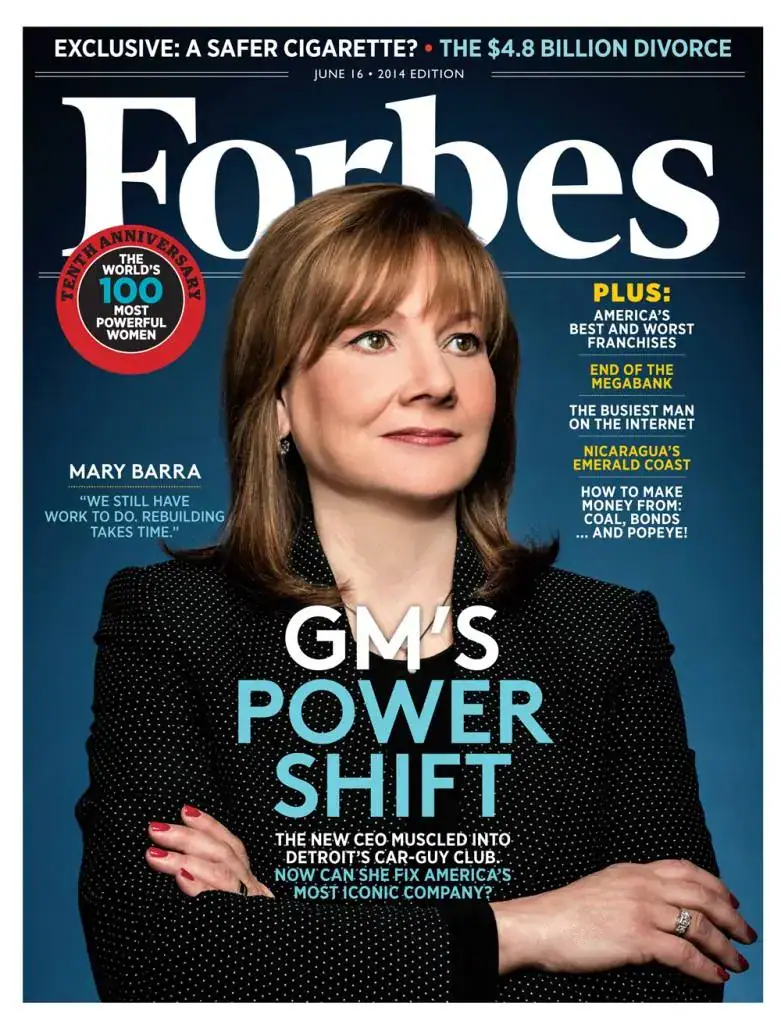
UnitedPress delivered three Forbes features in our first six weeks. We had been trying for a year with two other agencies.
United Press built our brand from launch to nationwide recognition. Real media coverage gave new customers the trust they needed — our ROI has been over 100:1, which blows my mind.
United Press helped us turn our company story into something journalists could genuinely engage with. The coverage gave our brand a level of credibility that was difficult to achieve through our own marketing channels.
The team understood our industry and, more importantly, understood the story we needed to tell. Seeing our company featured across relevant publications gave us a much stronger presence when potential customers researched us.
United Press got our book covered in the right places before launch week.
UnitedPress delivered three Forbes features in our first six weeks. We had been trying for a year with two other agencies.
United Press built our brand from launch to nationwide recognition. Real media coverage gave new customers the trust they needed — our ROI has been over 100:1, which blows my mind.
United Press helped us turn our company story into something journalists could genuinely engage with. The coverage gave our brand a level of credibility that was difficult to achieve through our own marketing channels.
The team understood our industry and, more importantly, understood the story we needed to tell. Seeing our company featured across relevant publications gave us a much stronger presence when potential customers researched us.
United Press got our book covered in the right places before launch week.
UnitedPress delivered three Forbes features in our first six weeks. We had been trying for a year with two other agencies.
Confirmed before work starts — you always know exactly where your story is going.
Written for that outlet's audience by a working journalist, and approved by you before filing.
Indexable, linkable, citable — ready for your bids, website, LinkedIn and email signature.
Masthead permissions where available, plus a piece of proof your sales team can use for years.
A construction PR agency turns what your business does — projects, products, expertise, people — into material that gets published where your clients, specifiers and future employees will see it. In practice that means finding the angle, writing it in a form an editor will run, and securing the placement. United Press differs from most UK construction PR agencies in one important way: we name the publication up front and guarantee that the piece is published.
Traditional agencies work on monthly retainers that continue whether or not coverage appears. We work per placement: you know the outlet and the cost before you commit, and there is no ongoing obligation. That makes it workable for a small specialist contractor as well as a national manufacturer. Get in touch with what you want to announce and we will come back with the options and prices for it.
It means the outlet is agreed with you in advance and your piece is published on it at a live, permanent URL. You are not paying for effort, a target list or a monthly activity report. You are paying for a published result you have seen and approved beforehand.
Often more than it is for large firms, because the gap between how good you are and how well known you are is widest at this size. A handful of published pieces can change how a framework panel, a main contractor or a prospective client reads your bid — and unlike advertising, they keep working long after they are published.
Yes. National, business, property and built-environment titles and regional press are all part of the list, and the right tier depends on the audience you need. For specification-led manufacturers, technical and property titles often outperform a national. For a regional contractor, local coverage can be worth more than either.
Because publication is agreed rather than pitched, timescales are measured in days and weeks rather than months. Exact lead times vary by title and we confirm them before you commit — useful when you are working to a site start, a launch or a completion date.
Most of our construction clients do. We are usually the placement engine behind an existing team: they keep the brand, the website and the campaigns, and we make sure the news actually gets published somewhere that matters.
Published coverage on authoritative domains is one of the strongest signals available for how a brand is understood in search, and it is currently the main way AI assistants find something citable to say about a company. We cannot promise a specific ranking — nobody credibly can — but we can make sure there is credible, indexed, quotable material about you where those systems look.
We help construction businesses prepare, and we help them respond. The most valuable work is done before anything happens: a deep, positive published record that a single bad news cycle cannot displace.
Since 2001. Twenty-five years of placing client stories in real publications, across many industries, with the same guarantee behind every piece.
Tell us what you are building, launching or announcing. We will come back with the angle, the publications available for it, and the cost — before you commit to anything.
Whether you need publicity for a major construction project, want to strengthen your company profile across the industry, or are looking to establish your leadership team as trusted experts, we will build the strategy around it.
Build visibility. Strengthen credibility. Tell your story.