
Best PR for Hotels UK (2026): Reviews, Openings and Direct Bookings
PR for independent hotels, boutique groups, country house hotels, spa hotels and serviced apartments. We help you earn reviews and features that guests trust, so more of them find you and book direct.
Every hotel has a different story
Marketing a destination, tour or airline? See our travel and hospitality PR page.
Hosting journalists the right way
Do
- Check the writer and title before you offer a stay
- Agree dates, nights and what is included in writing
- Give them the real guest experience
- Send facts and images straight after
Don’t
- Ask for a positive review or copy approval
- Treat them very differently from guests
- Chase daily for publication dates
- Forget that many titles say a stay was hosted
When hotels make the news
| Moment | What to pitch |
|---|---|
| Opening or reopening | First look, the design story and opening offers. Start three to six months before. |
| New chef or restaurant | Food writers and restaurant critics. |
| Hotel lists and guides | Annual “best hotels” lists are compiled months ahead. Make sure editors know you. |
| Seasonal stays | Christmas, spring breaks and summer, pitched a season ahead. |
| Awards | Industry wins shared with trade and local press. |
PR and direct bookings
Guests often discover a hotel on a booking site, then search its name before they book. A review in a title they trust can tip them towards booking direct, which saves you commission.
Coverage also gives you quotes and star ratings for your website, emails and social channels, which keep working long after the article runs.
PR for hotels by guest type
The same hotel can appeal to couples, families, business travellers and wedding parties, but each reads different media. Smart PR for hotels decides who you want more of, then picks the stories and outlets that reach them.
Couples and short breaks
Romantic escapes, food-led weekends and “hotels worth the trip” features in lifestyle titles, the bread and butter of PR for hotels.
Families
Half-term and summer holiday round-ups, with facilities and activities clearly explained, a reliable route in PR for hotels.
Business travellers
Location, workspaces and service stories for business and trade press, where B2B PR for hotels works hardest.
Wellness and spa
Treatments, retreats and slow-living features for wellness and beauty editors.
Weddings and events
Venue features and real-wedding stories. See also our events industry PR guide.
International visitors
Destination-led coverage abroad. Our travel and tourism PR guide explains how.

Your restaurant, bar and spa as separate stories
Many hotels pitch themselves as one story and miss half their coverage. Your restaurant, bar, spa and events spaces each have their own editors, and each can bring in guests who would never search for a hotel. Good PR for hotels treats them as separate stories.
- Restaurant: a new chef, a seasonal menu or a local-sourcing story for food writers and critics, often the quickest win in PR for hotels.
- Bar: signature serves, a new bar team or a hidden-bar angle for drinks and city guides.
- Spa: signature treatments and retreats for wellness and beauty editors.
- Events spaces: wedding, meeting and celebration stories for planners and couples.
For restaurant-led hotels, our food and beverage PR guide goes deeper.
Refurbishment and relaunch PR
A refurbishment is one of the best chances a hotel gets to be news again, and a key moment for PR for hotels. Planned well, PR for hotels turns building work into a story people want to follow:
- Announce the plan with designer names, the vision and the reopening date.
- Share the craft with behind-the-scenes images of materials, artists and makers.
- Soft launch with a small number of press stays before the official reopening.
- Reopen with a moment such as a new restaurant, spa or signature room.
- Follow up with reviews, guest stories and awards once they arrive, so PR for hotels keeps working after the reopening.

Press coverage and online reviews together
Guests read your press coverage and your online reviews side by side. A glowing feature is undermined by unanswered complaints, and strong reviews are easier to trust when respected media agree. The best PR for hotels looks after both.
Reply to reviews promptly and politely, share good coverage with guests and staff, and deal quickly with reviews that are fake or break platform rules. Our Google review removal service can help with those. Smaller properties can also read our guide to PR for independent hotels.
PR for hotels and international guests
Overseas visitors are a major source of guests for many UK hotels. VisitBritain publishes an inbound tourism forecast for the UK, and its research helps hotels understand which markets are growing and when visitors travel.
- Market focus: the countries sending more visitors to your area
- Timing: pitching overseas titles ahead of their booking season
- Local stories: experiences international guests cannot find elsewhere
- Easy booking: clear details for readers planning a trip from abroad
In PR for hotels, we use that insight to choose which international titles and travel writers to approach, and when. PR for hotels that targets the right markets at the right time fills rooms in shoulder seasons and builds direct bookings from guests who found you through trusted coverage.

Hotels in Google and AI search
Travellers now ask ChatGPT, Gemini, Perplexity and Google AI questions like “best boutique hotel in Edinburgh” or “dog-friendly country hotels in the Cotswolds”. These tools lean heavily on trusted publications and travel guides when they decide which hotels to mention, so PR for hotels now shapes AI visibility too.
Editorial coverage gives them credible sources that name your hotel and explain what makes it special. No one can guarantee an AI mention, but consistent PR for hotels gives you a much better chance of appearing in those answers, while high-authority links help your website rank in Google and support direct bookings.
Lifestyle titles in our network
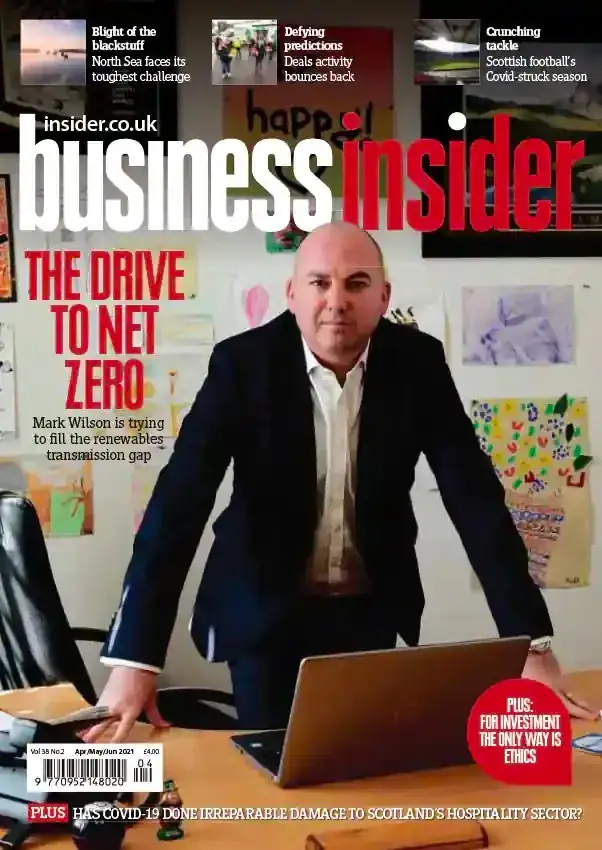
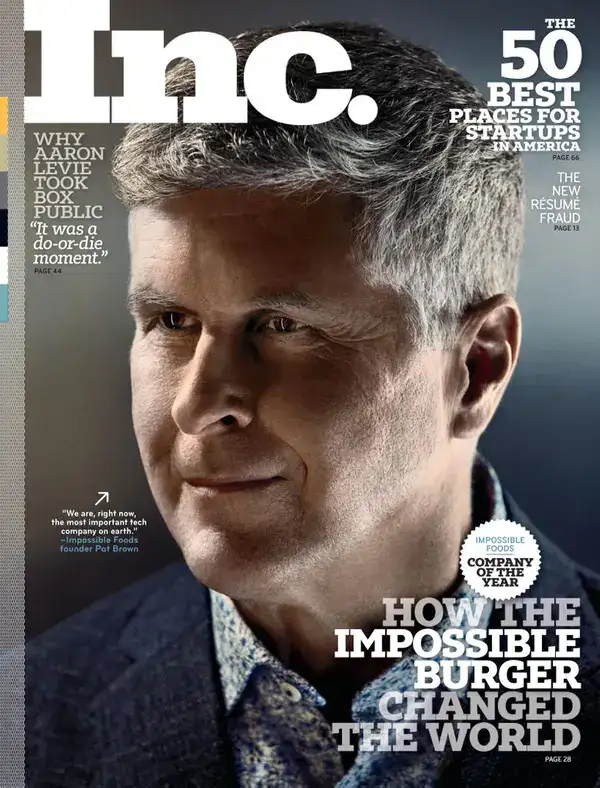
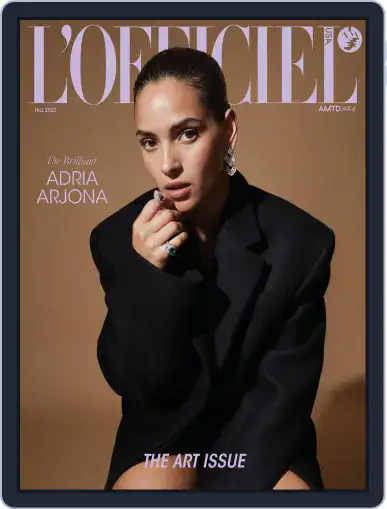
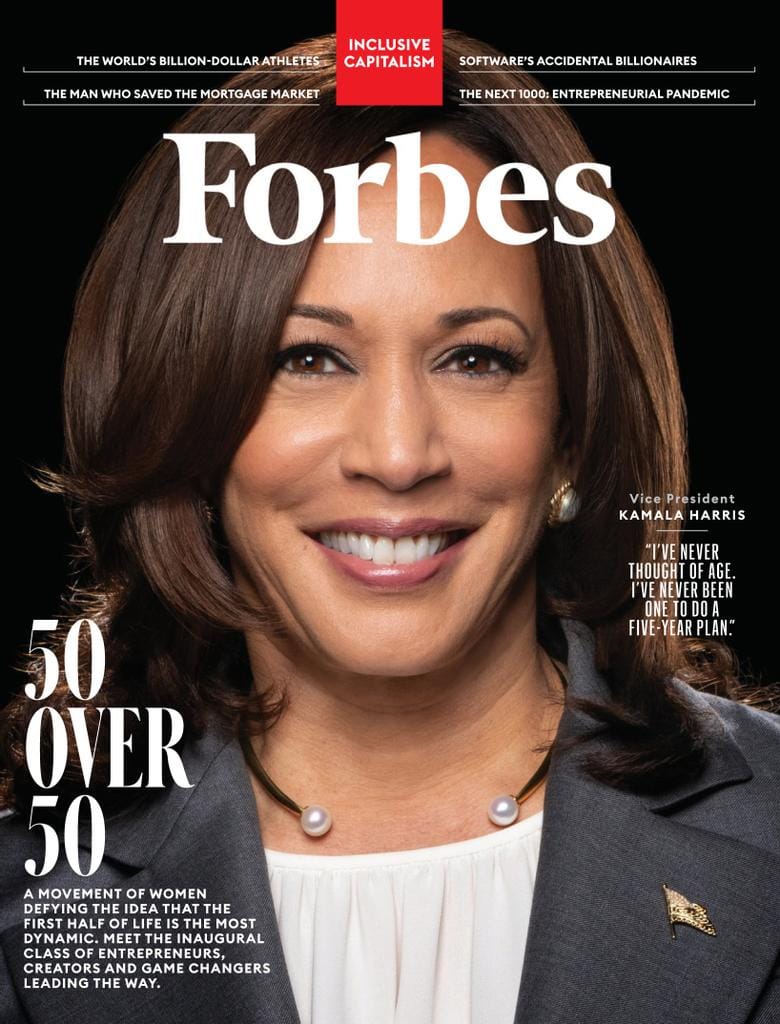
Reviews and hotel lists are earned. Next to that, you can book features in titles from our publication network, such as The Independent (sponsored, no-follow), Luxury Lifestyle Magazine and London Insider. Booked features go live within 14 days of approval or you get a 100% refund.
Listed in our network, October 2026. Terms, including link treatment, are confirmed in writing before you book. Google asks that paid links are marked as sponsored or nofollow.
Three example hotel campaigns
A 20-room boutique hotel
“A Georgian townhouse reborn with a rooftop bar”
- Route: design and weekend press, then press stays after opening.
- Timing: four months before opening.
- Outcome sought: first-season bookings.
A hotel with a new chef
“The chef cooking only what grows within ten miles”
- Route: food writers and restaurant critics.
- Timing: after the menu settles.
- Outcome sought: dining and overnight stays.
A spa hotel with a winter offer
“A two-night reset for the darkest weeks of the year”
- Route: wellness titles and a Luxury Lifestyle Magazine feature.
- Timing: pitched in autumn.
- Outcome sought: off-peak occupancy.
Illustrative plans with example headlines. They are not client results.
What clients say about United Press
★★★★★“United Press built our brand from launch to nationwide recognition. Real media coverage gave new customers the trust they needed — our ROI has been over 100:1, which blows my mind.”
Annabelle SparksGlobal Head of Marketing
★★★★★“The team understood our industry and, more importantly, understood the story we needed to tell. Seeing our company featured across relevant publications gave us a much stronger presence when potential customers researched us.”
Olivia BennettMarketing Director
★★★★★“United Press helped us turn our company story into something journalists could genuinely engage with. The coverage gave our brand a level of credibility that was difficult to achieve through our own marketing channels.”
James WhitmoreFounder & CEO
United Press is a London PR agency at Brook’s Mews, working since 2001 with clients worldwide, and a winner or shortlisted at PRWeek, CIPR Excellence, UK Agency, PRCA DARE, The Drum and UK Social Media Communications Awards.
Hotel PR questions
What does hotel PR do?
It earns reviews, features and list places for your hotel, and supports openings and seasonal campaigns, so guests trust you and book direct.
Can you guarantee a review in a national paper?
No. Reviews are earned and independent. Guaranteed features are available only in titles from our publication network.
Do we have to host journalists?
For reviews, usually yes. We help you choose the right writers and set clear terms.
Do you work with hotels outside the UK?
Yes, including hotels abroad that want UK guests.
How far ahead should an opening campaign start?
Three to six months before opening, and earlier for monthly magazines.
How much does hotel PR cost?
There is no fixed price. Every campaign is planned around your hotel and the titles you need. Share your goal and budget in the form below for a personalised plan.
How can a hotel get more press coverage?
Treat each part of the hotel as its own story: rooms, restaurant, bar, spa and events spaces all have different editors. In PR for hotels, we match each story to the right guest type and outlet, organise press stays where useful and confirm each live link.
How should a hotel promote a refurbishment?
Announce the plan early, share behind-the-scenes craft and design, host a small soft launch for press, reopen with a clear new moment and follow up with reviews and guest stories.
Can PR help a hotel appear in AI search?
It can improve your chances. AI tools such as ChatGPT and Gemini rely on trusted publications and travel guides when they recommend hotels. No one can guarantee an AI mention, but press coverage is one of the strongest signals a hotel can build.
Ready to fill more rooms?
Tell us about your hotel, your guests and your next big moment. We will send a free plan with the angle, titles and timing that fit.